
BMW M52B28 Engine: Specs, Problems, Reliability, & More
BMW M52B28 Engine: Specs, Problems, Reliability, & More : BMW M52B28 Engine: Specs, Problems, Reliability, & More
BMW M52B28 Engine: Specs, Problems, Reliability, & More. The inline six-cylinder 2.8-liter engine is the most significant engine of the M52-series. The M52B28 was released in 1995 as a new engine for the E36 328i, E39 528i, as well as E38 728i versions. The M52 engine collection replaced the M50-series.
This engine, like M50 engines, got a light weight aluminum cyndrical tube block with Nikasil layer on cylinder wall surfaces. For the North American market, the M52B28 features a cast iron engine obstructs rather than light weight aluminum ones, as well as just BMW Z3 design got engines with an aluminum cylinder block. That choice was made as a result of high levels of sulfur in the US gas, which has a destructive impact on Nikasil bring about fast wear.
Here is main clue on Engine, BMW M52B28 Engine, BMW M52B28 Engine problems, BMW M52B28 Engine reliability, BMW M52B28 Engine specs. We have the cool resources for Engine, BMW M52B28 Engine, BMW M52B28 Engine problems, BMW M52B28 Engine reliability, BMW M52B28 Engine specs. Check it out for yourself! You can find BMW M52B28 Engine: Specs, Problems, Reliability, & More guide and read the latest BMW M52B28 Engine: Specs, Problems, Reliability, & More.
| Title | BMW M52B28 Engine: Specs, Problems, Reliability, & More |
|---|---|
| Format | PNG |
| Width | 326px |
| Height | 287px |
| URL | https://uscarsnew.com/wp-content/uploads/2023/03/BMW-M52B28-Engine-3.png |
| Published Date | March 4, 2025 |
| Latest Updated Date | March 4, 2025 |
| Uploaded By | Karen R. Russell |
Back To BMW M52B28 Engine: Specs, Problems, Reliability, & More
4 photos of the "BMW M52B28 Engine: Specs, Problems, Reliability, & More"


Related posts of "BMW M52B28 Engine: Specs, Problems, Reliability, & More"

Honda D16A (B V W Y Z) Engine: Specs, Problems, Reliability
Honda D16A (B V W Y Z) Engine: Specs, Problems, Reliability. The D16 is 1.6-liters four-cylinder D-series engine. The absolute most bulk production engine is the D16A. This engine is a ubiquitous engine for Civic model as well as the smaller D15B engine. The D16 engine is very identical to the D15. The D16 shares...

Cummins R2.8 Engine (ISF2.8): Specs, Problems, and Reliability
Cummins R2.8 Engine (ISF2.8): Specs, Problems, and Reliability. The R2.8 (or ISF2.8) engine is a four-cylinder turbocharged diesel engine, the littlest and lightest engine of the ISF engine family. The Cummins ISF2.8 is a modern engine that combines two main qualities - power and compactness. It is an optimum choice of a power unit for...
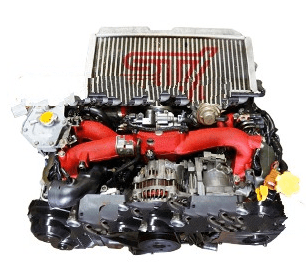
Subaru EJ205/EJ207/EJ20G Engine: Specs, Problems, Reliability
Subaru EJ205/EJ207/EJ20G Engine: Specs, Problems, Reliability. The first EJ20 engine with turbocharger is EJ20G. This engine has DOHC cylinder heads and oil piston spray jets for cooling, low compression ratio pistons (8:1) and fuel nozzles 380cc. Bucket-style HLA EJ20G engines have lightweight valves and simple air-cooled intercooler. The power is from 220hp/6400 (Subaru WRX Wagon)...
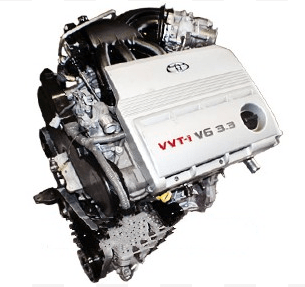
Toyota 3MZ-FE 3.3L Engine Specs, Problems, Reliability
Toyota 3MZ-FE 3.3L Engine Specs, Problems, Reliability. In 2002, Toyota introduced a new member of the MZ series - the 3MZ-FE. It was a 3.3-liter V6 gasoline engine, which became an alternative to Toyota's late 3.0 L 1MZ with VVT-i. Both engines have the same architecture and style functions. The 3MZ varies mainly by its...