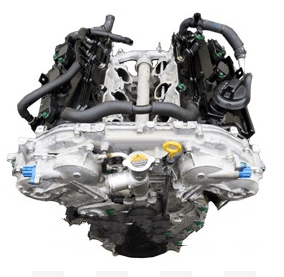
Nissan VQ35HR 3.5L Engine Specs, Problems, Reliability
Nissan VQ35HR 3.5L Engine Specs, Problems, Reliability : Nissan VQ35HR 3.5L Engine Specs
Nissan VQ35HR 3.5L Engine Specs, Problems, Reliability. This 3.5-liter engine is the result of the VQ-series modernization in 2006. The VQ35HR engine was installed in rear drive Nissan and Infinity designs basically. More than 80% of DE parts were redeveloped and updated to allow the engine operates at high rpm for a very long time.
Aluminum cylinder block was reinforced and made a bit taller (by 8.4 mm). In this case, the length of linking rods was increased to 152.2 mm. New lightweight aluminum pistons increased the compression ratio to 10.6:1. Both camshafts are equipped with variable valve timing system CVTC. Valves have a larger diameter and harder springs. Camshafts specifications: duration 248/248, valves lift 10.54/ 10.54 mm.
Here is main clue on Engine, Nissan, 3.5l hr nissan, 350z engine, issues, Nissan VQ35HR 3.5L Engine, Nissan VQ35HR 3.5L Engine problems, Nissan VQ35HR 3.5L Engine reliability, Nissan VQ35HR 3.5L Engine specs, oil, power, problem, problems, reliability, specs, VQ35, vq35hr. We have the world class resources for Engine, Nissan, 3.5l hr nissan, 350z engine, issues, Nissan VQ35HR 3.5L Engine, Nissan VQ35HR 3.5L Engine problems, Nissan VQ35HR 3.5L Engine reliability, Nissan VQ35HR 3.5L Engine specs, oil, power, problem, problems, reliability, specs, VQ35, vq35hr. Check it out for yourself! You can gather Nissan VQ35HR 3.5L Engine Specs guide and view the latest Nissan VQ35HR 3.5L Engine Specs, Problems, Reliability.
| Title | Nissan VQ35HR 3.5L Engine Specs |
|---|---|
| Format | PNG |
| Width | 284px |
| Height | 277px |
| URL | https://uscarsnew.com/wp-content/uploads/Nissan-VQ35HR-3.5L-Engine-Specs.png |
| Published Date | October 21, 2021 |
| Latest Updated Date | October 21, 2021 |
| Uploaded By | Karen R. Russell |
Back To Nissan VQ35HR 3.5L Engine Specs, Problems, Reliability
1 photos of the "Nissan VQ35HR 3.5L Engine Specs, Problems, Reliability"
Related posts of "Nissan VQ35HR 3.5L Engine Specs, Problems, Reliability"
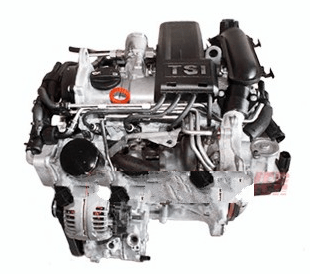
VW/Audi 1.2 TSI/TFSI EA111 Engine Specs, Problems, Reliability
VW/Audi 1.2 TSI/TFSI EA111 Engine Specs, Problems, Reliability. The 1.2 R4 TSI/TFSI (EA111 family) is a 1.2-liter four-cylinder gasoline turbocharged engine firstly announced for VW Golf Mk6 and Polo Mk5 in late 2005. This engine partly changed the same displacement naturally aspirated version of the EA111 series but with three cylinders - the 1.2 R3...
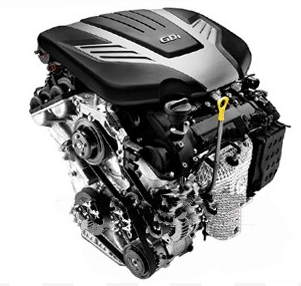
Hyundai KIA 3.3L Engine (Lambda MPI/GDI/T-GDI) Problems, Reliability
Hyundai KIA 3.3L Engine (Lambda MPI/GDI/T-GDI) Specs, Problems, Reliability. The Hyundai 3.3 L V6 gasoline engine (G6DB, G6DP, g6df, and g6dh) belongs to the Lambda family. The first Hyundai's 3.3-liter engine of that series was presented in the 2006 Hyundai Sonata. It was the G6DB - 3.3 L V6 MPI engine. In 2010, the updated...
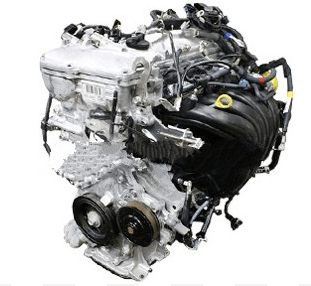
Toyota 3ZR-FE/FAE 2.0L Engine Specs, Problems, Reliability
Toyota 3ZR-FE/FAE 2.0L Engine Specs, Problems, Reliability. In 2007, Toyota introduced a 2.0-liter four-cylinder gasoline engine, which came out of the ZR series. The 3ZR variation ended up being successor for the 1AZ engines. The 3ZR-FE engine is used mostly in front-wheel drive vehicles such as Toyota Corolla, Avensis, and 2WD RAV4. The 3ZR-FAE is...

Mercedes M104 3.2L Engine Specs, Problems, Reliability
Mercedes M104 3.2L Engine Specs, Problems, Reliability. The M104 E32 3.2-liter engine is the last and most significant inline six-cylinder engine produced by Mercedes (AMG made the M104 E34 and M104 E36). It appeared in 1991. The 3.0-liter M104 was the start point for the new 3.2 l version. The primary differences are the new...